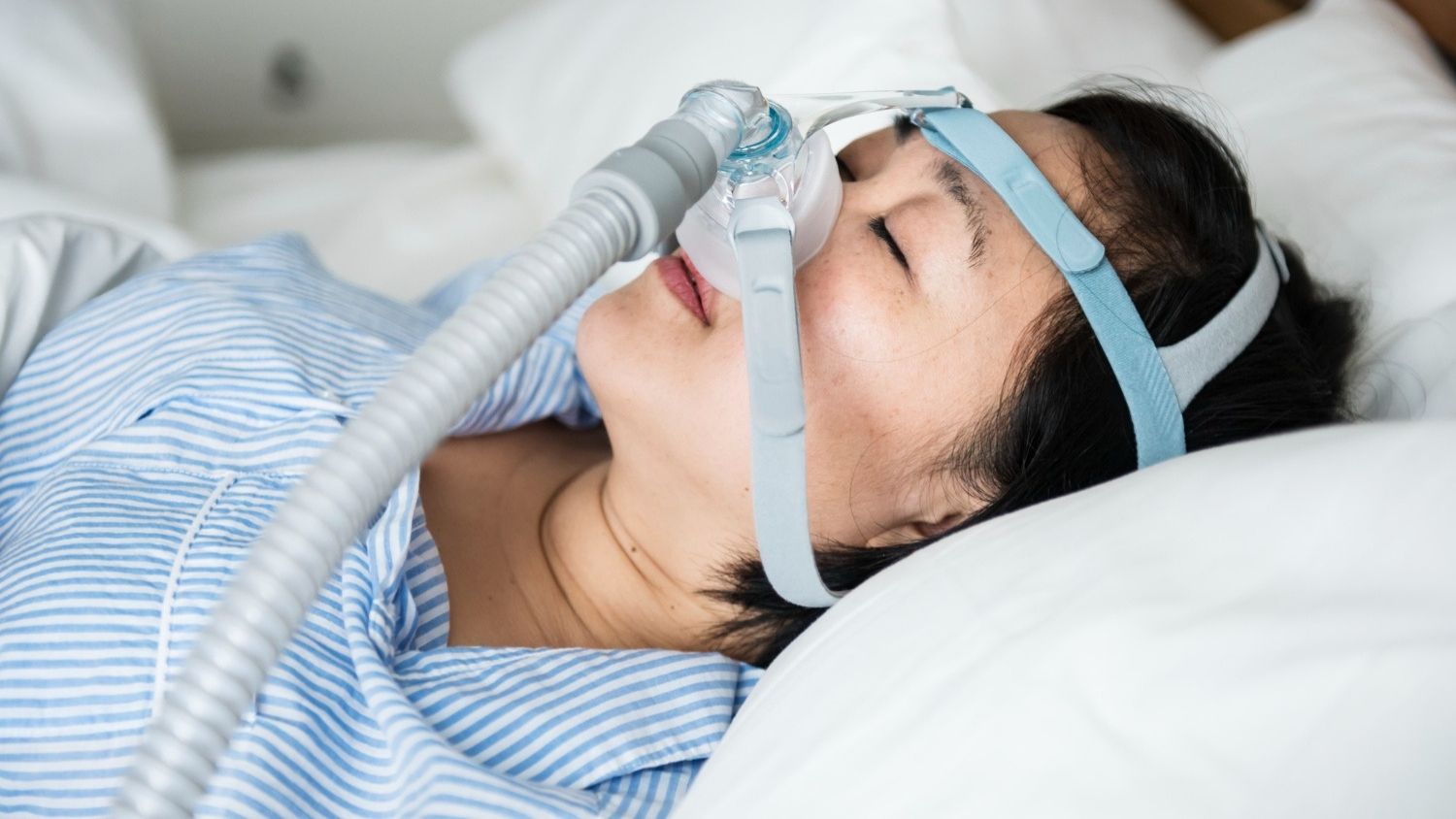
Continuous Positive Airway Pressure (CPAP) and Bi-level Positive Airway Pressure (BiPAP) therapies are proven treatments for sleep apnea and other breathing-related sleep disorders. These devices help keep your airway open, allowing for uninterrupted, restorative sleep.
While adjusting to the therapy can take time, most patients experience dramatic improvements in sleep quality, daytime alertness, and overall health with consistent use and proper support.
Finding the Right Fit for You
Choosing between CPAP and BiPAP depends on your specific diagnosis and comfort level. Our sleep specialists guide you through every step—selecting the right device, mask, and pressure settings tailored to your needs.
What Therapy Involves
CPAP: Steady Air Support Delivers constant airflow to prevent airway collapse, ideal for treating moderate to severe obstructive sleep apnea.
BiPAP: Dual-Level Pressure Offers different air pressures for inhaling and exhaling—often preferred for patients with higher pressure needs or additional breathing difficulties.
Ongoing Support & Adjustment We monitor your progress, fine-tune your settings, and troubleshoot any challenges to ensure long-term comfort and success.
Start Your Sleep Journey Confidently
Our goal is to make your transition to therapy smooth and stress-free.
Guided Setup
We walk you through setup at home or in-clinic, ensuring you feel confident and comfortable from night one.
Continued Support
From troubleshooting to equipment maintenance, we stay involved so you can sleep soundly night after night.
BiPAP (Bilevel Positive Airway Pressure) delivers two pressure levels—a higher pressure when you breathe in and a lower pressure when you breathe out. It’s often used for patients who can’t tolerate CPAP or have more complex breathing issues like central sleep apnea or COPD.
Your sleep specialist will determine this based on the results of your sleep study. CPAP is typically first-line for OSA. BiPAP may be prescribed for patients who need additional support.

 Home Sleep Studies