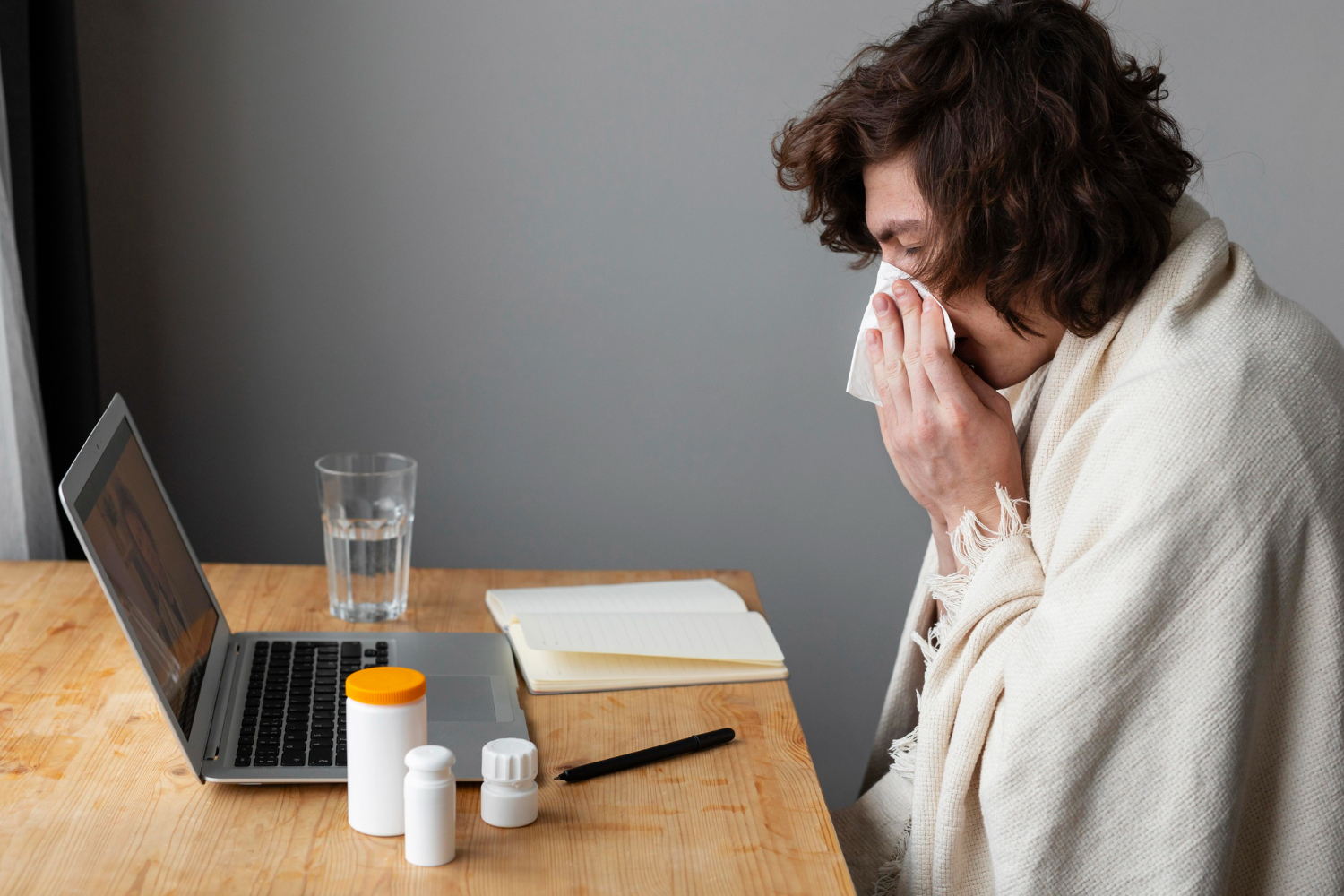
Introduction: Long COVID, also known as post-acute sequelae of SARS-CoV-2 infection (PASC), has become a pressing issue for millions worldwide. While many recover from COVID-19 within weeks, others experience lingering symptoms like fatigue and respiratory problems that persist for months. This blog explores effective strategies to manage and improve these symptoms. Understanding Long COVID Fatigue: Fatigue is one of the most commonly reported symptoms of long COVID. Unlike regular tiredness, this fatigue can be debilitating and worsen after minimal physical or mental activity, a condition known as post-exertional malaise (PEM). Respiratory Challenges: COVID-19 can cause lasting damage to the lungs, leading to shortness of breath, chest tightness, and reduced exercise capacity. These issues often stem from: Lung inflammation or scarring (fibrosis) Weakness of respiratory muscles Impaired oxygen exchange Steps to Combat Long COVID Fatigue: Pace Yourself: Avoid overexertion and listen to your body. Use the “energy envelope” approach—only expend as much energy as you can recover within a day. Sleep Hygiene: Prioritize restful sleep by maintaining a consistent schedule, creating a dark and quiet environment, and avoiding screens before bed. Nutrition: Consume a balanced diet rich in anti-inflammatory foods like fruits, vegetables, and omega-3 fatty acids to support recovery. Stay Hydrated: Proper hydration can improve energy levels and overall health. Mindfulness and Relaxation: Practices like meditation, yoga, and deep breathing exercises can reduce stress and improve energy levels. Strategies for Respiratory Recovery: Pulmonary Rehabilitation: Enroll in a pulmonary rehab program that includes breathing exercises, aerobic conditioning, and strength training tailored to your needs. Diaphragmatic Breathing: Practice slow, deep breaths to improve lung capacity and oxygen exchange. Inhalers or Medications: Use prescribed bronchodilators or anti-inflammatory medications to ease breathing. Monitor Oxygen Levels: Use a pulse oximeter to track oxygen saturation and seek medical advice if levels consistently fall below 90%. Gradual Physical Activity: Begin with light exercises like walking or stretching and gradually increase intensity under guidance from a healthcare provider. When to Seek Medical Help: If symptoms persist or worsen, consult your doctor. Tests like pulmonary function tests, CT scans, or blood work may be necessary to assess lung damage or rule out other conditions. Real-Life Success Story: Emma, a 42-year-old nurse, struggled with severe fatigue and shortness of breath after recovering from COVID-19. With the help of a pulmonary rehab program and mindfulness techniques, she gradually regained her strength. “It’s a slow process, but every small improvement felt like a victory,” she shared. Resources and Support: Long COVID support groups can provide emotional and practical advice. Healthcare providers specializing in post-COVID care can offer tailored treatment plans. Conclusion: Recovering from long COVID fatigue and respiratory issues requires patience, persistence, and a multifaceted approach. By incorporating these strategies and seeking professional help when needed, you can take meaningful steps toward regaining your health and quality of life. Educational Resource: For more insights into managing long COVID, watch this YouTube video on long COVID recovery strategies.